Corpus Christi Business CPA AlternativeCPA Corpus ChristiRendition is not the port
A search sometimes lands on an owner who has been told to file a rendition and is not sure whether the list is equipment, inventory, or the freight that left last night. This page is that answer. We separate equipment and inventory the company still had from freight that left before January 1.
The question about what the rendition actually lists
Rendition is a report of business personal property you owned on January 1. It is not a report of what the channel did in December. If it was not yours, or it was not still yours, it does not belong on the form.
What usually belongs on the list
Furniture, computers, tools, vehicles, machinery, and inventory that you owned and still owned are the ordinary contents. Leasehold improvements can belong there too, depending on who owns them under the lease. Software and other intangibles are their own question, and we read the county instructions for the year rather than guessing from memory.
Inventory is a snapshot, not a year's worth of shipments. What was in the warehouse or on the yard at the turn of the year is the figure. What you sold on January 2 is not a reason to pretend it was gone on January 1. What arrived January 2 is not a reason to add it.
A disposed asset that is still on last year's list will be on this year's list until someone removes it. That is the expensive kind of copy-and-paste. We compare the list to the fixed-asset schedule in the books. If the books are behind, the comparison is the first reason to bring the books forward.
What does not belong
Freight you carried for someone else was never your property. A barge you do not own is not your property. Inventory billed and shipped before year end, with the title gone, is not your property. Real estate is a different roll. Do not tuck a building into a business personal property form because it was on the same insurance policy.
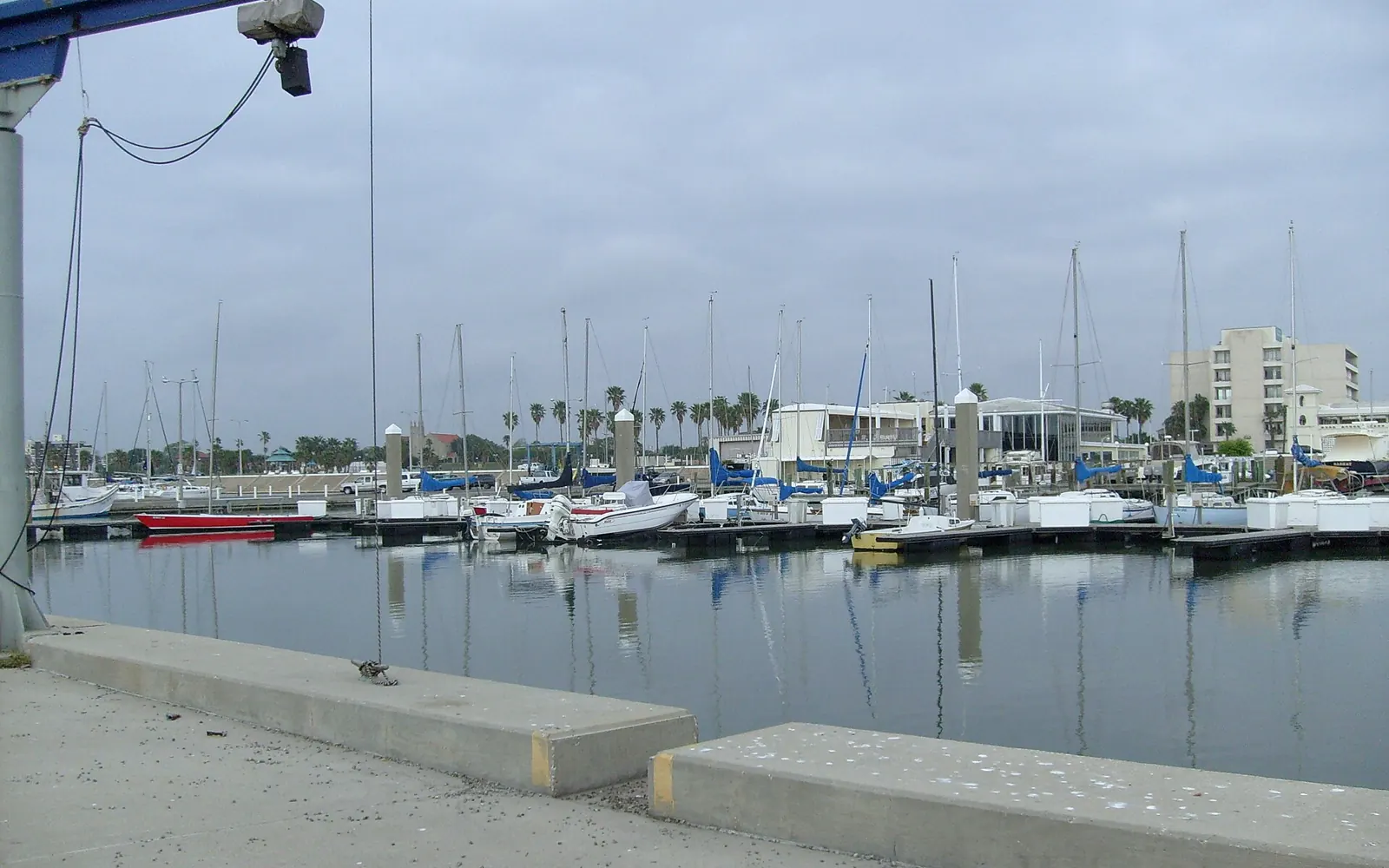
The marina in the photograph is full of boats that belong to many owners. A glance from the walkway cannot tell you which hull is whose. A rendition has the same problem if it is built from a drive-by. The useful list comes from purchase documents, titles, and a person who knows what was sold.
A blank line stays blank until you tell us what you paid and what you would take for the piece. If a piece of equipment has no record, we say so and we ask you those two things. A made-up number is how a protest gets harder later.
April 15, and the extension to May 15
The form is due April 15. A written request for more time moves the deadline to May 15 under Tax Code section 22.23. The request is a real step, not a mood. If you need the extra month because the asset list is a mess, use the month to build the list, not to postpone the discomfort.
Most protests of the appraised value are due May 15 or 30 days after the appraisal notice, whichever is later, under the rule in section 41.44. Read the notice when it arrives. The date printed on it is the date. A conversation with a neighbor about what they pay is not a protest.
The John F. Kennedy causeway ties Flour Bluff to Padre Island on a road that does not care whether your form is ready. We like that plainness. Infrastructure keeps its schedule. A rendition can keep one too if the list exists before the week it is due.
How the list meets the books
Every asset on the rendition should be findable in the fixed-asset schedule, and every asset in the schedule that you still own should be findable on the rendition. Differences are either disposals you forgot, purchases you expensed by habit, or items that are not property at all. Each of those has a bookkeeping fix and a form fix. We do both, because doing only the form leaves next year with the same gap.
Depreciation on the return and value on the rendition are not the same number, and owners are right to feel suspicious when someone forces them to match. Book value is a tax and accounting concept. Rendition value follows the appraisal rules. We can explain the gap in a sentence you can repeat to a lender. We will not pretend the gap is a mistake just because the two numbers differ.
If last year's rendition was prepared by someone else, bring it. Continuity matters. A wild swing with no story is what gets a question from the appraisal district. A swing with a sale, a loss, or a big purchase is just a year that happened.
A calm list is the point
Owners tell us the rendition feels like a pop quiz. It is a pop quiz only when the asset schedule has been ignored since the last pop quiz. A monthly close that records purchases and sales as they happen turns the form into a printout. That is a kinder April.
The masts in the downtown marina stand still while the water moves. The list should be the masts. The channel can do what it wants in the background. We are not asking the port to pause. We are asking the property records to be true on one date.
If you want that printout this year and the schedule is not ready, say how many years it has been since anyone listed the equipment. The size of the first pass depends on that answer more than it depends on the industry.
 You will be talking to the Steven Palmieri practice.